
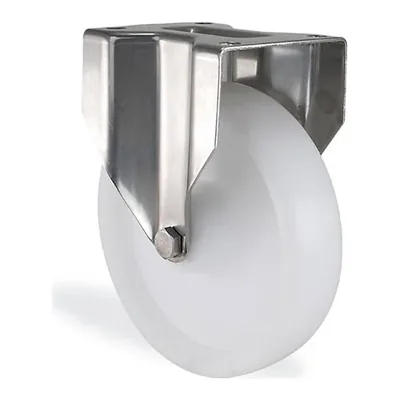
 Ø100–150 mm
Stainless Polyamide Fixed Plate Caster Ø100–150 mm (S3207RPB)
Fixed Plate · polyamide wheel · plain bore · 3 codes
Unit price (from)
$10.08 excl. VAT
Casters in food production are washed often and exposed to steam, grease and cleaning chemicals. A stainless-steel body with a corrosion-resistant polyamide, polypropylene or polyurethane wheel is the safest choice.
Bakery racks need heat-resistant polyamide, cold rooms and wet floors call for stainless polyurethane, and commercial kitchens use braked stainless swivel casters.
Recommended: Polyamide wheel that tolerates oven heat on a stainless body; at least two casters should be braked to park the rack at the oven.
Ø100–150 mmFixed Plate · polyamide wheel · plain bore · 3 codes
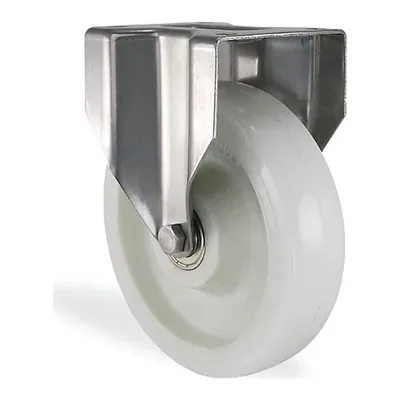 Ø100–150 mm
Fixed Plate · polyamide wheel · ball bearing · 3 codes
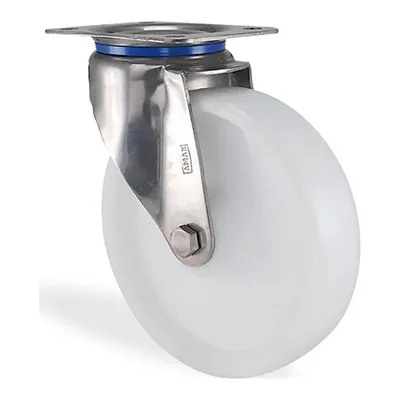 Ø100–150 mm
Swivel Plate · polyamide wheel · plain bore · 3 codes
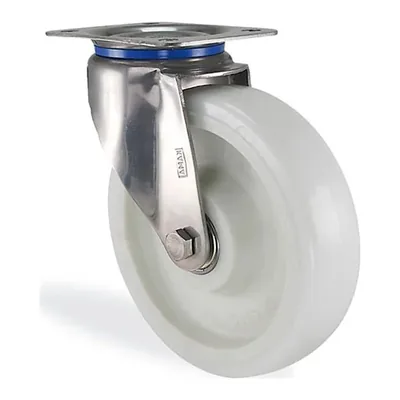 Ø100–150 mm
Swivel Plate · polyamide wheel · ball bearing · 3 codes
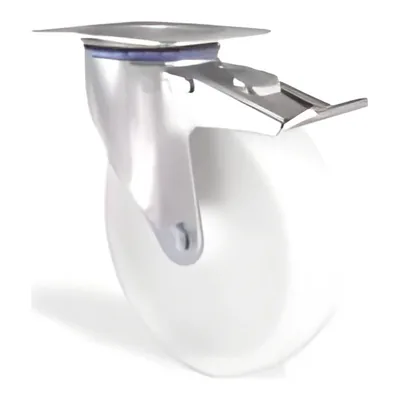 Ø100–150 mmBraked
Swivel Plate · braked · polyamide wheel · plain bore · 3 codes
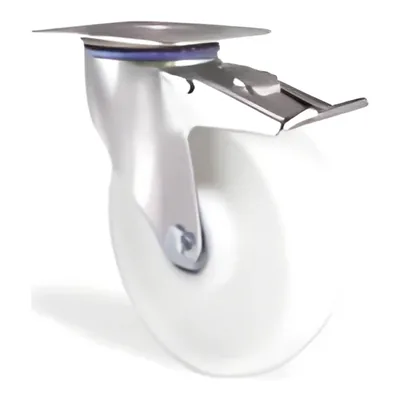 Ø125–150 mmBraked
Swivel Plate · braked · polyamide wheel · ball bearing · 2 codes
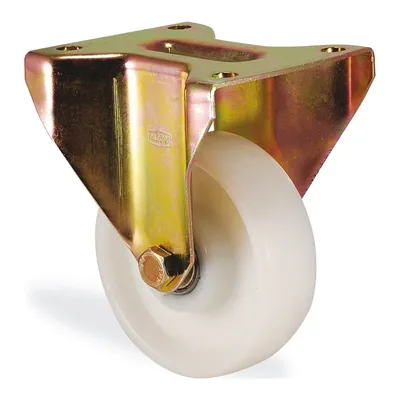 Ø100–200 mm
Fixed Plate · polyamide wheel · ball bearing · 4 codes
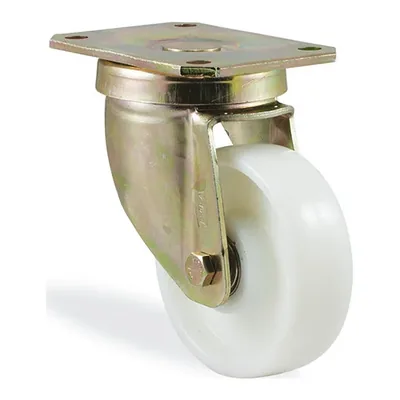 Ø100–200 mm
Swivel Plate · polyamide wheel · ball bearing · 4 codes
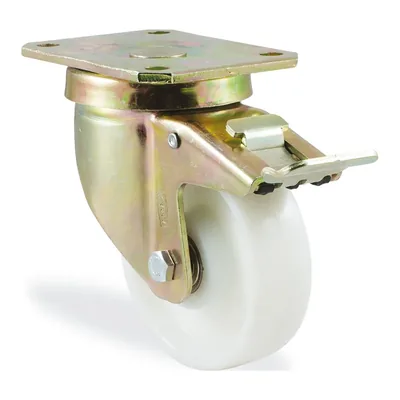 Ø100–200 mmBraked
Swivel Plate · braked · polyamide wheel · ball bearing · 4 codes
Recommended: Stainless swivel casters for service and bench trolleys that meet grease and detergent; non-marking polyurethane runs quietly on wet floors.
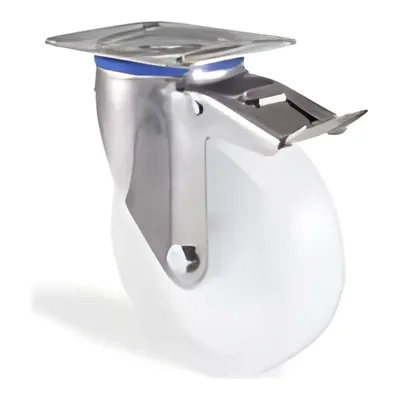 Ø80–150 mmBraked
Swivel Plate · braked · polypropylene wheel · plain bore · 4 codes
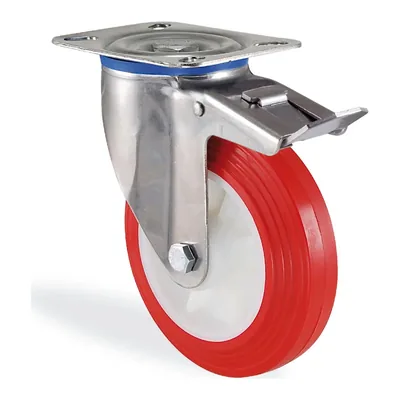 Ø80–150 mmBraked
Swivel Plate · braked · polyurethane wheel · plain bore · 4 codes
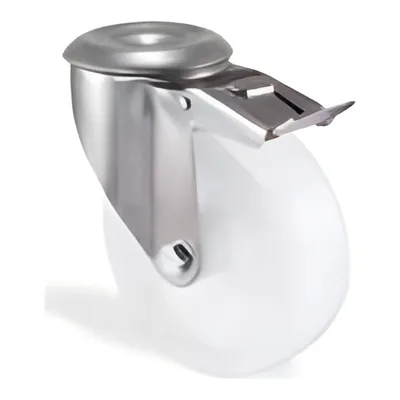 Ø80–150 mmBraked
Swivel Bolt Hole · braked · polypropylene wheel · plain bore · 4 codes
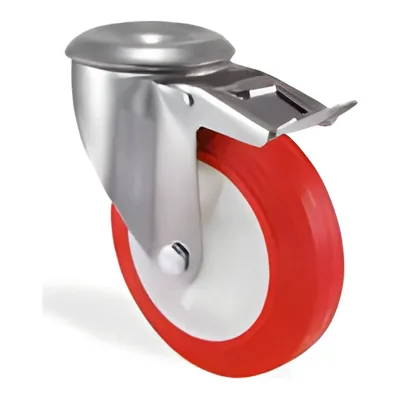 Ø80–150 mmBraked
Swivel Bolt Hole · braked · polyurethane wheel · plain bore · 4 codes
Ø100–150 mmBrakedSwivel Plate · braked · polyamide wheel · plain bore · 3 codes
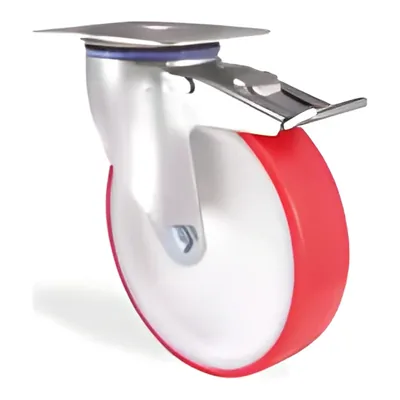 Ø100–150 mmBraked
Swivel Plate · braked · polyurethane wheel · plain bore · 3 codes
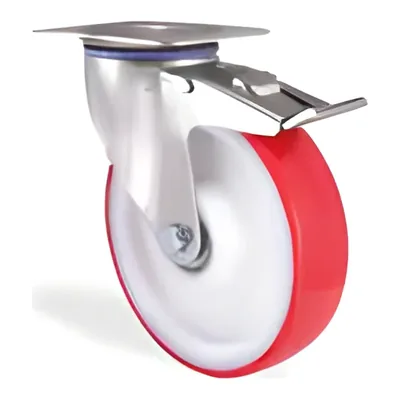 Ø100–200 mmBraked
Swivel Plate · braked · polyurethane wheel · ball bearing · 4 codes
Ø125–150 mmBrakedSwivel Plate · braked · polyamide wheel · ball bearing · 2 codes
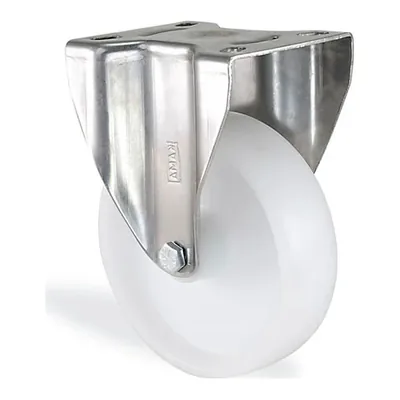 Ø80–150 mm
Fixed Plate · polypropylene wheel · plain bore · 4 codes
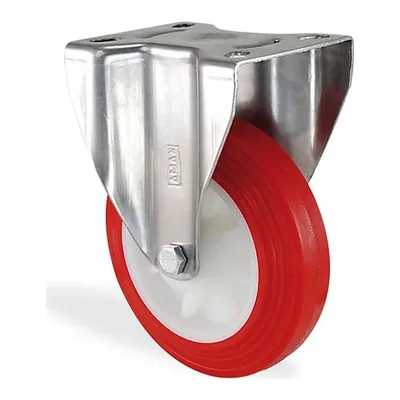 Ø80–150 mm
Fixed Plate · polyurethane wheel · plain bore · 4 codes
Recommended: Stainless casters with polypropylene or polyamide wheels for humid, disinfected rooms.
Ø80–150 mmFixed Plate · polypropylene wheel · plain bore · 4 codes
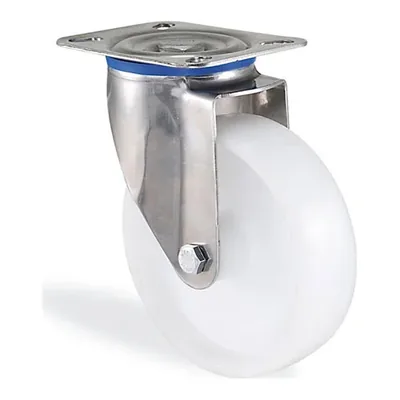 Ø80–150 mm
Swivel Plate · polypropylene wheel · plain bore · 4 codes
Ø100–150 mmFixed Plate · polyamide wheel · plain bore · 3 codes
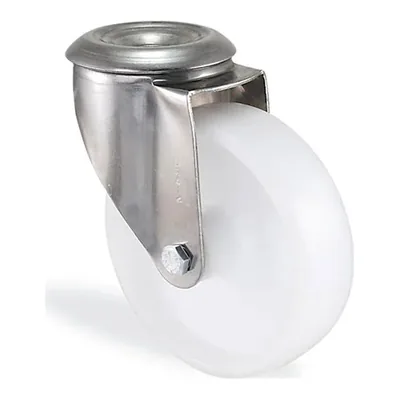 Ø80–150 mm
Swivel Bolt Hole · polypropylene wheel · plain bore · 4 codes
Ø80–150 mmBrakedSwivel Plate · braked · polypropylene wheel · plain bore · 4 codes
Ø80–150 mmBrakedSwivel Bolt Hole · braked · polypropylene wheel · plain bore · 4 codes
Ø100–150 mmFixed Plate · polyamide wheel · ball bearing · 3 codes
Ø100–150 mmSwivel Plate · polyamide wheel · plain bore · 3 codes
Ø100–150 mmSwivel Plate · polyamide wheel · ball bearing · 3 codes
Ø100–150 mmBrakedSwivel Plate · braked · polyamide wheel · plain bore · 3 codes
Recommended: Stainless-steel casters for all hygiene-critical food equipment; polyamide and polyurethane replacement wheels.
Ø80–150 mmFixed Plate · polypropylene wheel · plain bore · 4 codes
Ø80–150 mmFixed Plate · polyurethane wheel · plain bore · 4 codes
Ø80–150 mmSwivel Plate · polypropylene wheel · plain bore · 4 codes
Ø100–150 mmFixed Plate · polyamide wheel · plain bore · 3 codes
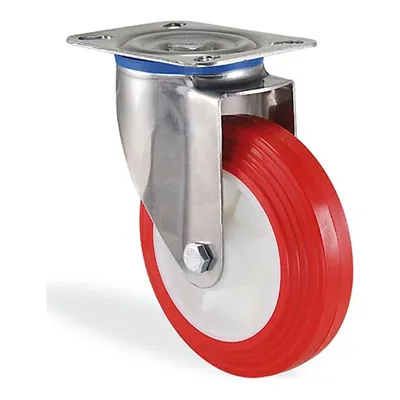 Ø80–150 mm
Swivel Plate · polyurethane wheel · plain bore · 4 codes
Ø80–150 mmSwivel Bolt Hole · polypropylene wheel · plain bore · 4 codes
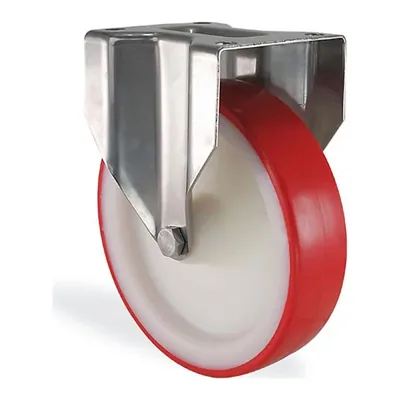 Ø100–150 mm
Fixed Plate · polyurethane wheel · plain bore · 3 codes
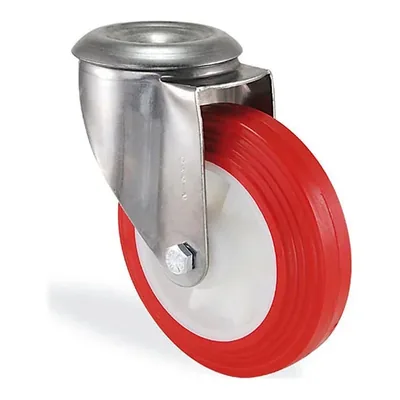 Ø80–150 mm
Swivel Bolt Hole · polyurethane wheel · plain bore · 4 codes
Ø80–150 mmBrakedSwivel Plate · braked · polypropylene wheel · plain bore · 4 codes
Ø80–150 mmBrakedSwivel Plate · braked · polyurethane wheel · plain bore · 4 codes
Recommended: Stainless polyurethane for cold rooms and wet floors; high-capacity polyamide for heavy cheese vats.
Ø80–150 mmFixed Plate · polyurethane wheel · plain bore · 4 codes
Ø100–150 mmFixed Plate · polyamide wheel · plain bore · 3 codes
Ø80–150 mmSwivel Plate · polyurethane wheel · plain bore · 4 codes
Ø100–150 mmFixed Plate · polyurethane wheel · plain bore · 3 codes
Ø80–150 mmSwivel Bolt Hole · polyurethane wheel · plain bore · 4 codes
Ø80–150 mmBrakedSwivel Plate · braked · polyurethane wheel · plain bore · 4 codes
Ø100–150 mmFixed Plate · polyamide wheel · ball bearing · 3 codes
Ø80–150 mmBrakedSwivel Bolt Hole · braked · polyurethane wheel · plain bore · 4 codes
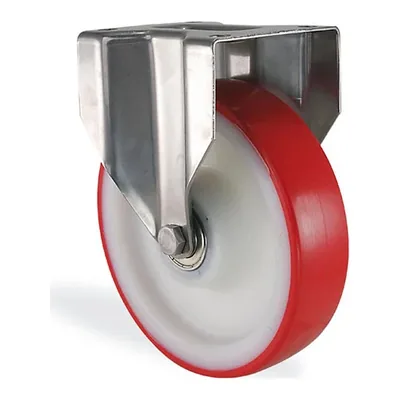 Ø100–200 mm
Fixed Plate · polyurethane wheel · ball bearing · 4 codes
Ø100–150 mmSwivel Plate · polyamide wheel · plain bore · 3 codes
Recommended: Stainless body against salt-water corrosion with non-absorbent polypropylene or polyamide wheels.
Ø80–150 mmFixed Plate · polypropylene wheel · plain bore · 4 codes
Ø80–150 mmSwivel Plate · polypropylene wheel · plain bore · 4 codes
Ø100–150 mmFixed Plate · polyamide wheel · plain bore · 3 codes
Ø80–150 mmSwivel Bolt Hole · polypropylene wheel · plain bore · 4 codes
Ø80–150 mmBrakedSwivel Plate · braked · polypropylene wheel · plain bore · 4 codes
Ø80–150 mmBrakedSwivel Bolt Hole · braked · polypropylene wheel · plain bore · 4 codes
Ø100–150 mmFixed Plate · polyamide wheel · ball bearing · 3 codes
Ø100–150 mmSwivel Plate · polyamide wheel · plain bore · 3 codes
Ø100–150 mmSwivel Plate · polyamide wheel · ball bearing · 3 codes
Ø100–150 mmBrakedSwivel Plate · braked · polyamide wheel · plain bore · 3 codes
Recommended: Rubber and thermoplastic-rubber replacement wheels that roll easily on barn floors, or a complete stainless caster.
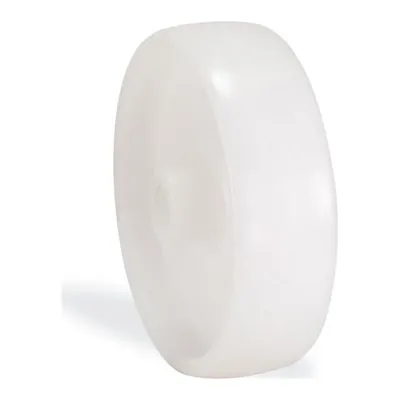 Ø55–200 mm
Polypropylene · Ø55–200 mm · 9 sizes
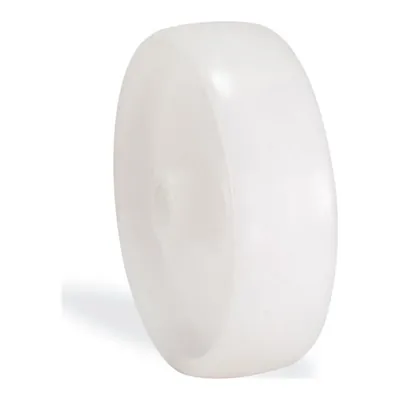 Ø80–150 mm
Polypropylene · Ø80–150 mm · 4 sizes
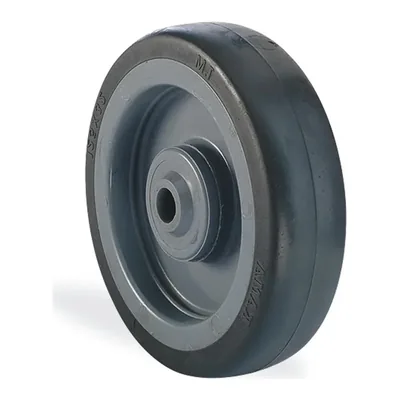 Ø80–125 mm
Thermoplastic Rubber · Ø80–125 mm · 3 sizes
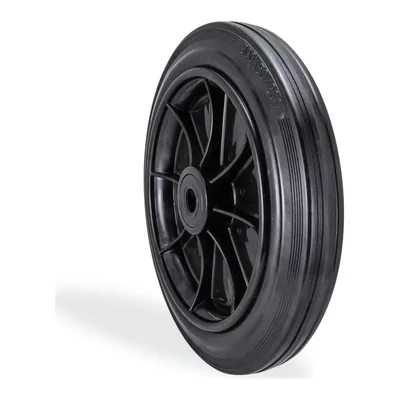 Ø80–300 mm
Black Rubber · Ø80–300 mm · 7 sizes
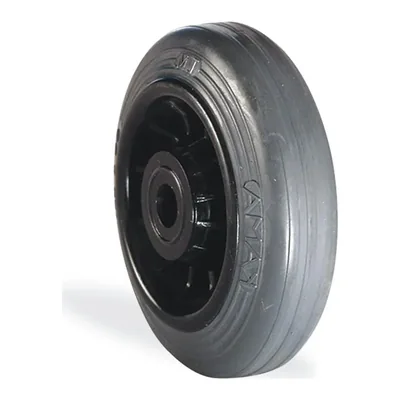 Ø80–150 mm
Thermoplastic Rubber · Ø80–150 mm · 4 sizes
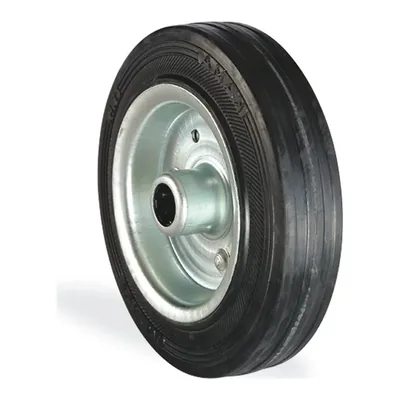 Ø80–200 mm
Black Rubber · Ø80–200 mm · 12 sizes
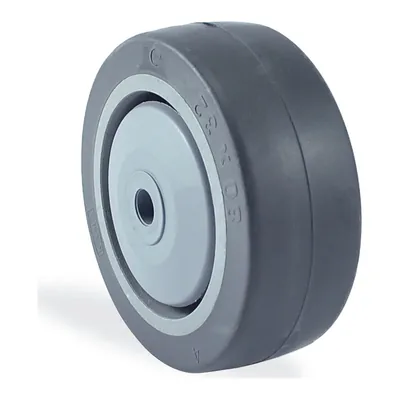 Ø80–125 mm
Thermoplastic Rubber · Ø80–125 mm · 3 sizes
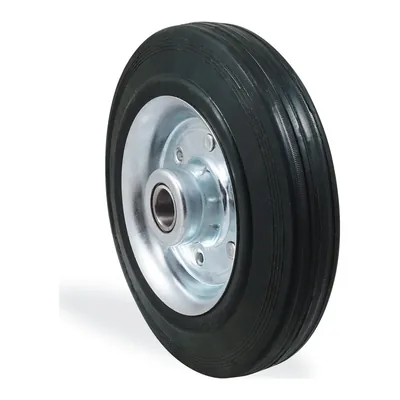 Ø200 mm
Black Rubber · Ø200 mm · 1 sizes
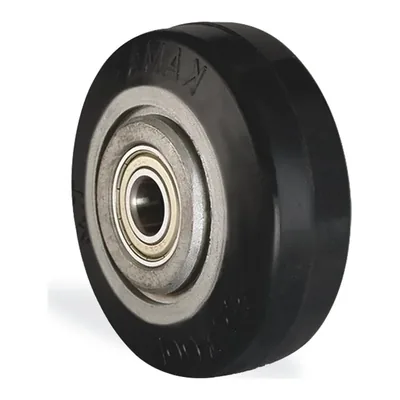 Ø80–200 mm
Cast Iron Core Rubber · Ø80–200 mm · 5 sizes
Ø80–150 mmFixed Plate · polypropylene wheel · plain bore · 4 codes
Frequent washing, steam and cleaning chemicals corrode zinc-plated bodies over time. A stainless body resists corrosion, passes hygiene inspections and lasts longer.
Polyamide (nylon) is the most heat-resistant option. Thermoplastic rubber and polyurethane can soften at high temperature, so they are not recommended for racks that go into the oven.